Rug Pull, Understanding the Scam and How Solana Meme Coins Are Created
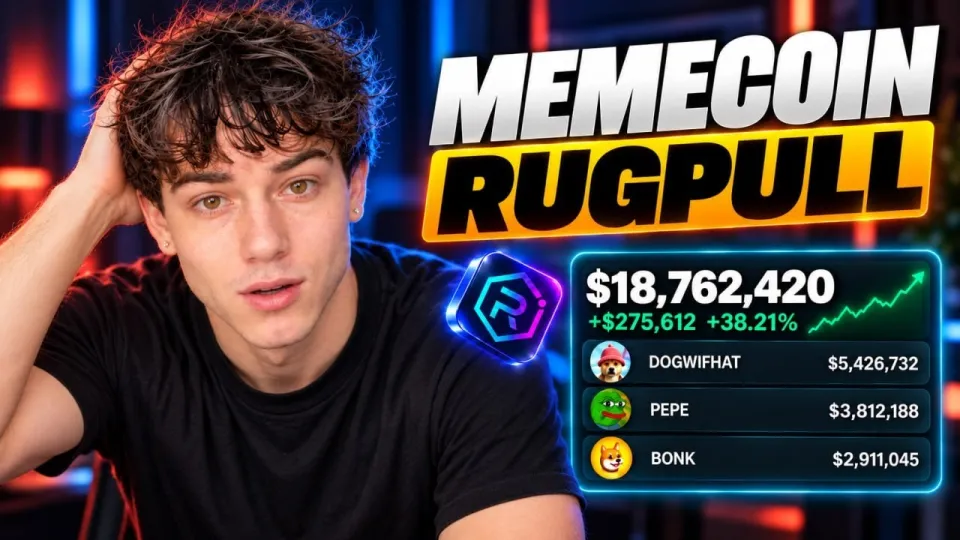
Video: Rug Pull Tutorial | Rug Pull and Creating a Solana Meme Coin
· based on the channel MC STUDIO
A rug pull is a type of crypto scam where the creators of a token suddenly remove liquidity from the market, causing the token price to collapse and leaving investors with worthless coins. This scam is common in the meme coin space, especially on platforms like Solana, where launching tokens is accessible to many developers. Understanding how rug pulls work and how Solana meme coins are created is essential to avoid losses and make informed investment decisions. For developers and investors interested in creating or assessing meme coins, tools like Specmint provide resources to launch tokens and evaluate risks.
What Is a Rug Pull and How Does It Work
A rug pull typically occurs after the launch of a new token with liquidity added to decentralized exchanges (DEXs) like Raydium on Solana. The creators initially provide liquidity by pairing their token with a stablecoin or SOL, enabling trading. Once enough investors buy the token and the price rises, the developers remove or "pull" the liquidity, selling their tokens and withdrawing the paired assets, which crashes the token price instantly. This leaves investors unable to sell or recover their investment.
Key features of rug pulls include:
- Liquidity removal by token creators.
- Sudden price collapse following liquidity drain.
- Control over mint authority or liquidity keys that enable withdrawal.
Understanding these elements helps investors recognize potential scams early.
Creating Solana Meme Coins: Token Setup and Launch Process
Launching a Solana meme coin involves several technical steps:
- Token Creation: Using Solana Program Library (SPL) standards, developers create a new token with defined total supply and authorities for minting and freezing.
- Assigning Authorities: Mint authority controls token issuance, while freeze authority can halt transactions. These are critical for managing token behavior.
- Liquidity Deployment: Tokens are paired with SOL or stablecoins on platforms like pump.fun or Raydium, creating liquidity pools for trading.
- Token Launch: Once liquidity is added, tokens become tradable on DEXs, attracting investors.
Platforms such as Specmint simplify this process by enabling token creation without coding expertise.
Liquidity Pools, Token Prices, and Manipulation Techniques
Liquidity pools on DEXs operate as automated market makers (AMMs), where token prices adjust based on supply and demand within the pool. Creators can manipulate these pools by controlling liquidity keys. Common manipulation tactics include:
- Pumping token prices by buying large amounts to attract investors.
- Dumping tokens or pulling liquidity suddenly to crash prices.
- Using bonding curves to influence price behavior artificially.
Investors should verify liquidity lock status, token holder distribution, and contract authorities to detect possible manipulations.
Common Rug Pull Patterns and Warning Signs
Recognizing rug pulls early requires knowing typical red flags:
- Unlocked or Withdrawable Liquidity: If liquidity is not locked or can be withdrawn by developers, risk is high.
- Concentrated Token Ownership: A few wallets hold large token amounts, allowing price control.
- Hidden or Malicious Mint Authority: Developers retain minting rights to create unlimited tokens.
- Rapid, Unexplained Price Movements: Sudden pumps without fundamental reasons.
- Lack of Transparency or Team Anonymity: No verifiable information about creators or project roadmap.
Due diligence, including on-chain analysis and contract audits, helps mitigate these risks.
Security Checks Before Buying New Tokens
To avoid falling victim to rug pulls, investors should conduct key security checks:
- Verify Token Contract: Check the smart contract on Solana explorers or audit platforms.
- Check Liquidity Lock Status: Confirm if liquidity is locked or accessible to developers.
- Analyze Wallet Distribution: Ensure token holdings are decentralized.
- Review Project Transparency: Look for team information, social proof, and community engagement.
- Use Trusted Launchpads and Tools: Prefer tokens launched via reputable platforms like pump.fun and Raydium.
These steps reduce exposure to scams and improve investment safety.
Useful Links
Conclusion
Rug pulls represent a significant risk in the rapidly evolving Solana meme coin ecosystem. By understanding how these scams operate—especially liquidity manipulation and token authority controls—and learning the steps to create and launch tokens properly, both developers and investors can navigate the market more safely. The tutorial by MC STUDIO offers valuable insights into the technical and security aspects of meme coin launches and rug pulls. Utilizing resources like Specmint and performing thorough security checks are essential for anyone involved in token projects or investing in new coins.
Key takeaways
- Rug pulls involve creators withdrawing liquidity to scam investors.
- Solana meme coins are created using SPL tokens and launched on platforms like pump.fun and Raydium.
- Liquidity pools on decentralized exchanges enable token trading but can be manipulated.
- Key authorities in token contracts control minting and freezing abilities.
- Recognizing red flags and performing security checks can reduce rug pull risks.
Questions & answers
What is a rug pull in cryptocurrency?
A rug pull is a scam where token creators remove liquidity from a market, causing the token price to crash and leaving investors with worthless coins.
How are Solana meme coins typically created?
Solana meme coins are created using the Solana Program Library (SPL) standard, where developers define token supply, mint and freeze authorities, and launch liquidity pools on platforms like pump.fun and Raydium.
What are common signs of a rug pull to watch out for?
Common signs include unlocked liquidity, concentrated token ownership, developers retaining minting rights, sudden price pumps, and lack of transparency about the project or team.
How can investors protect themselves from rug pulls?
Investors should verify token contracts, check liquidity lock status, analyze wallet distributions, review project transparency, and use trusted launchpads and tools before investing.
Source: Rug Pull Tutorial | Rug Pull and Creating a Solana Meme Coin · Markdown version